








25 Cheap or Free Ways to Make Working From Home Feel More Luxurious
Working from home is objectively convenient. I can skip the commute, move laundry between meetings, and eat lunch without paying $18 for a salad.
It can also mean spending eight hours under the overhead light, drinking reheated coffee next to yesterday's water glass, and realizing at 4:00 p.m. that I have barely left one room.
When I originally shared a list of cheap or free things that make working from home feel more luxurious, it became one of my best-performing posts. I do not think that happened because everyone suddenly wanted a prettier desk. I think it resonated because a lot of us are grateful to work from home and still want the day to feel a little better.
Luxury, in this case, does not mean a perfectly designed home office or a cart full of new organizers. It means noticing the small points of friction in your workday and making them more comfortable, calm, or enjoyable.
Here are 25 cheap or completely free ways to do that.
Free ways to make working from home feel better
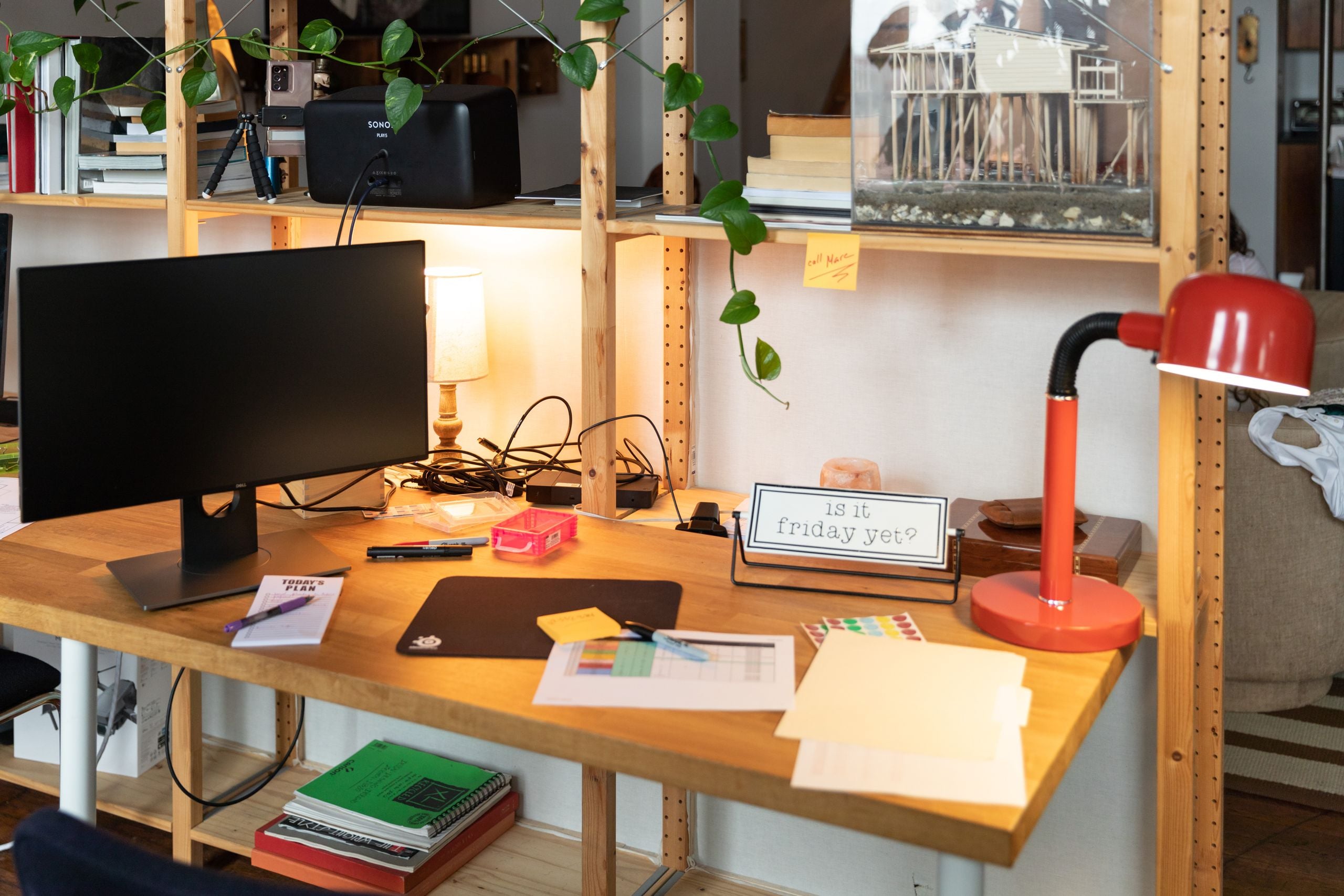
1. Stop using the overhead light
The fastest way to make a room feel less like an office is to turn off the big light. Use a table lamp, desk lamp, or any lamp you already own. Softer lighting makes an ordinary workspace feel calmer, especially during early meetings or late winter afternoons.
If your office is dark, face a window during the day and place a lamp slightly behind your computer for video calls. You may improve both the room and your camera lighting without buying anything.
2. Make a workday-only playlist
Create one playlist that signals it is time to work. Instrumental music, movie scores, coffee-shop noise, or familiar songs that do not demand much attention all work.
The point is not maximum productivity. It is giving the beginning of your workday a small ritual beyond opening your laptop and immediately reading messages.
3. Use the good mug on a random Tuesday
If you own a mug you love but unconsciously save for weekends, guests, or some future version of your life, use it now. The same applies to the pretty glass, cloth napkin, small plate, or serving tray sitting in a cabinet.
Your regular workday is a sufficient occasion.
4. Create a two-minute opening routine
Before checking email, take two minutes to prepare the space: fill your water, open the blinds, turn on a lamp, and clear anything left on the desk.
This is short enough to do even when the morning has already involved a missing shoe, a daycare bag, and a meeting that starts too early.
5. Put your drink on a pretty coaster
This is a very small detail, which is exactly why it works. A coaster makes a hurried cup of coffee feel intentional and keeps the desk from collecting rings and damp spots.
Use one you already have, a small saucer, or even a pretty tile.
6. Move to a different "office" for one task
Do not spend every part of the day in the same chair if your work allows otherwise. Read a document on the couch. Take a low-stakes call while walking. Bring your laptop to the kitchen table for a brainstorming session.
A change of location can give the day some shape, especially when your commute is only a few steps.
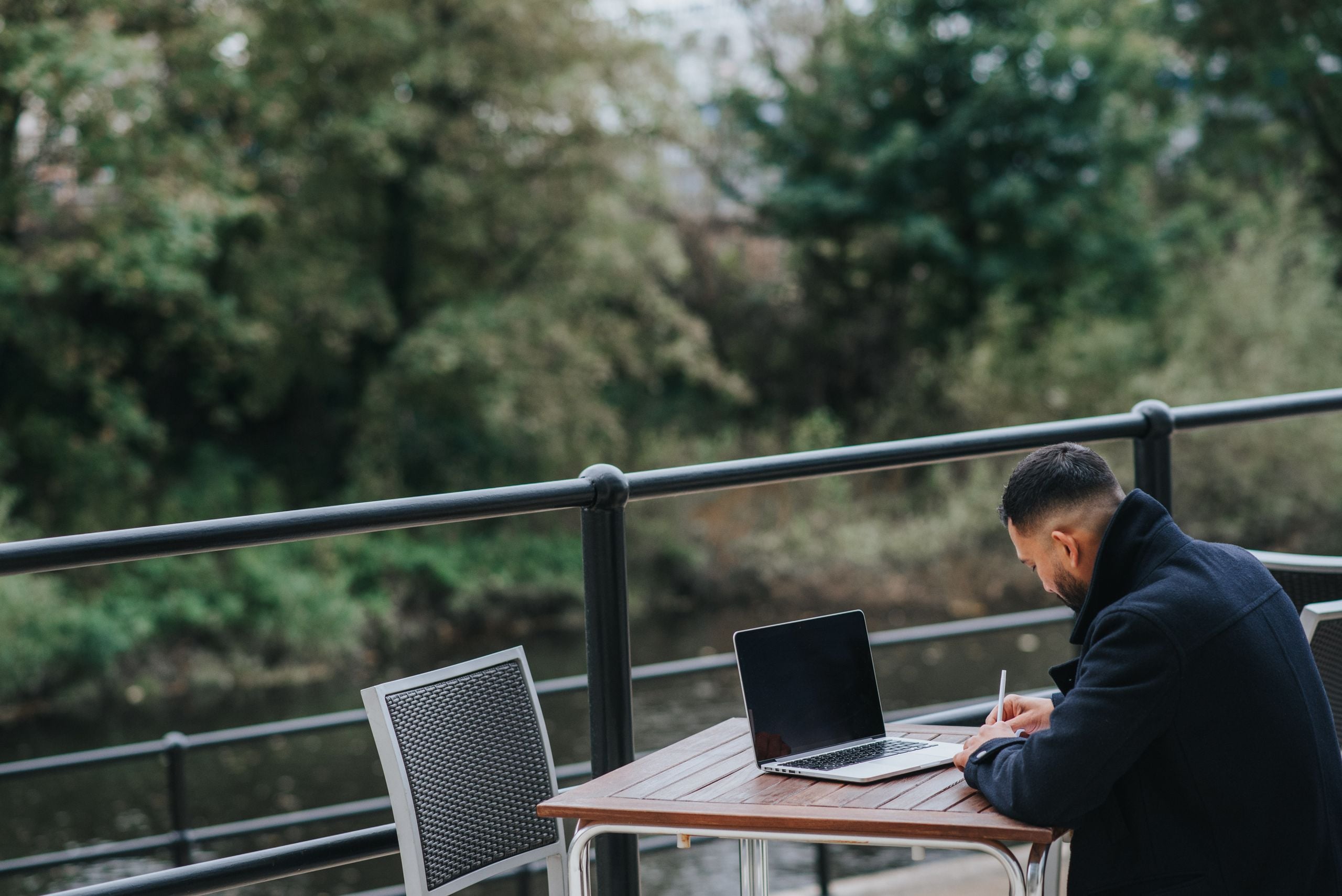
7. Take one meeting outside
For a meeting where you only need to listen, put in headphones and walk outside. If walking is not practical, sit on a porch, balcony, front step, or near an open window.
Naturally, this only works when you do not need to view sensitive material, take detailed notes, or speak somewhere others can hear confidential information. But when it does work, it can make the meeting feel much less draining.
8. Plate your lunch
You do not need to prepare an elaborate lunch. Put the leftovers, sandwich, or snack plate on an actual dish and step away from your desk to eat it.
This creates a real break between the morning and afternoon. It also prevents the specific indignity of eating directly from a storage container while answering email.
9. Schedule a fake commute
Use ten minutes before or after work for something that marks the transition: a walk around the block, a cup of tea, one chapter of an audiobook, or picking up the house while listening to music.
Without a commute, work can leak straight into dinner, childcare, and the rest of the evening. A short transition gives your brain a clearer boundary.
10. Protect one small pleasure from multitasking
Choose one thing you will do without also checking messages. Drink the first coffee without opening email. Eat lunch without scrolling. Stand outside for five minutes without bringing your phone.
It is a tiny amount of time, but it makes the day feel less like one continuous attempt to do three things at once.
Inexpensive home-office upgrades that have an outsized effect
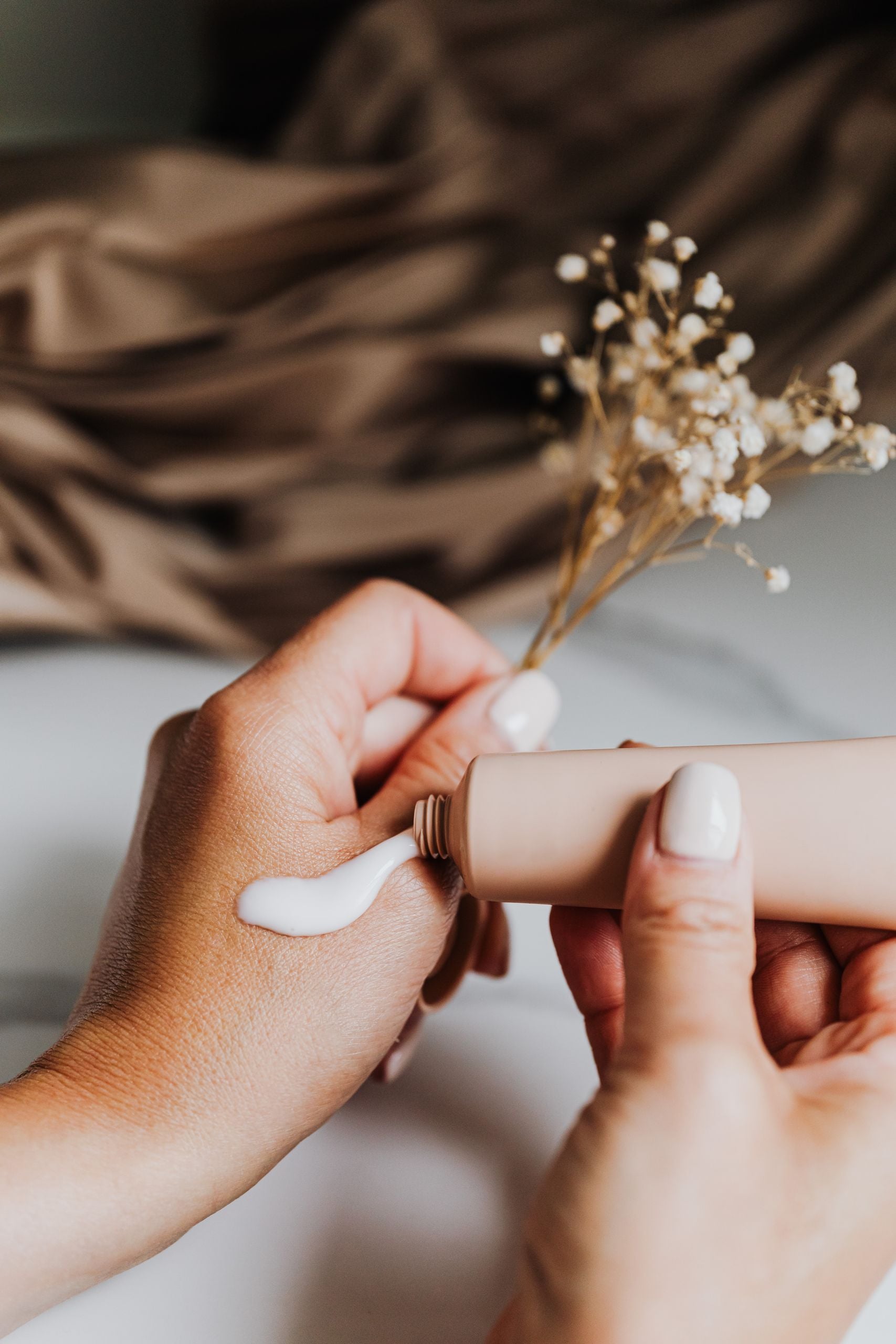
11. Keep hand cream at your desk
A small hand cream, lip balm, or face mist makes a surprisingly nice desk ritual. Keeping it within reach also means you may actually use it instead of remembering it exists while you are already in bed.
Choose a subtle or fragrance-free option if strong scents distract you.
12. Buy one pen you genuinely enjoy using
You do not need a complete stationery system. One smooth pen and a notebook you like can make meeting notes and daily planning more satisfying.
This is especially useful if your current pen collection consists entirely of promotional pens that appear to be out of ink.
13. Put flowers or greenery in your line of sight
This can be a grocery-store bouquet, a cutting from the yard, a houseplant moved from another room, or one branch placed in a jar. The goal is simply to add something alive-or at least visually interesting-to the area you stare at all day.
14. Add a small tray to contain the desk clutter
Place your hand cream, earbuds, glasses, pens, and other loose objects on a small tray. It makes the surface look calmer without requiring you to invent a complicated organization system.
You may already own something that works: a dessert plate, shallow bowl, or unused catchall from another room.
15. Upgrade the thing your hands touch all day
If you want to spend a little money, start with the object you use most. That might be a comfortable mouse, a better mouse pad, a soft wrist rest, or a keyboard that does not annoy you.
Prioritize comfort over whatever looks best in a staged home-office photo.
16. Use a laptop stand or a stack of books
Raising your screen closer to eye level can make your workspace feel more deliberate and may improve your posture. A basic laptop stand works, but a sturdy stack of books is free.
If you raise the laptop for long work sessions, an external keyboard and mouse will usually make the setup more comfortable.
17. Keep a soft layer nearby
An office cardigan, wrap, pair of slippers, or small blanket solves the constant cycle of feeling cold, changing the thermostat, and feeling hot ten minutes later.
Choose something comfortable enough for home but presentable enough that you do not panic when an unexpected video call appears.
18. Make hydration feel less medicinal
Use a glass or bottle you enjoy. Add ice, fruit, cucumber, mint, or whatever makes water more appealing to you. A straw is disproportionately effective for some of us. I recently bought this huge box of ice brewed herbal teas and when I shared it with my team during a meeting, they loved the idea.
The goal is not to turn hydration into another metric to optimize. It is simply to make the drink beside you more pleasant.
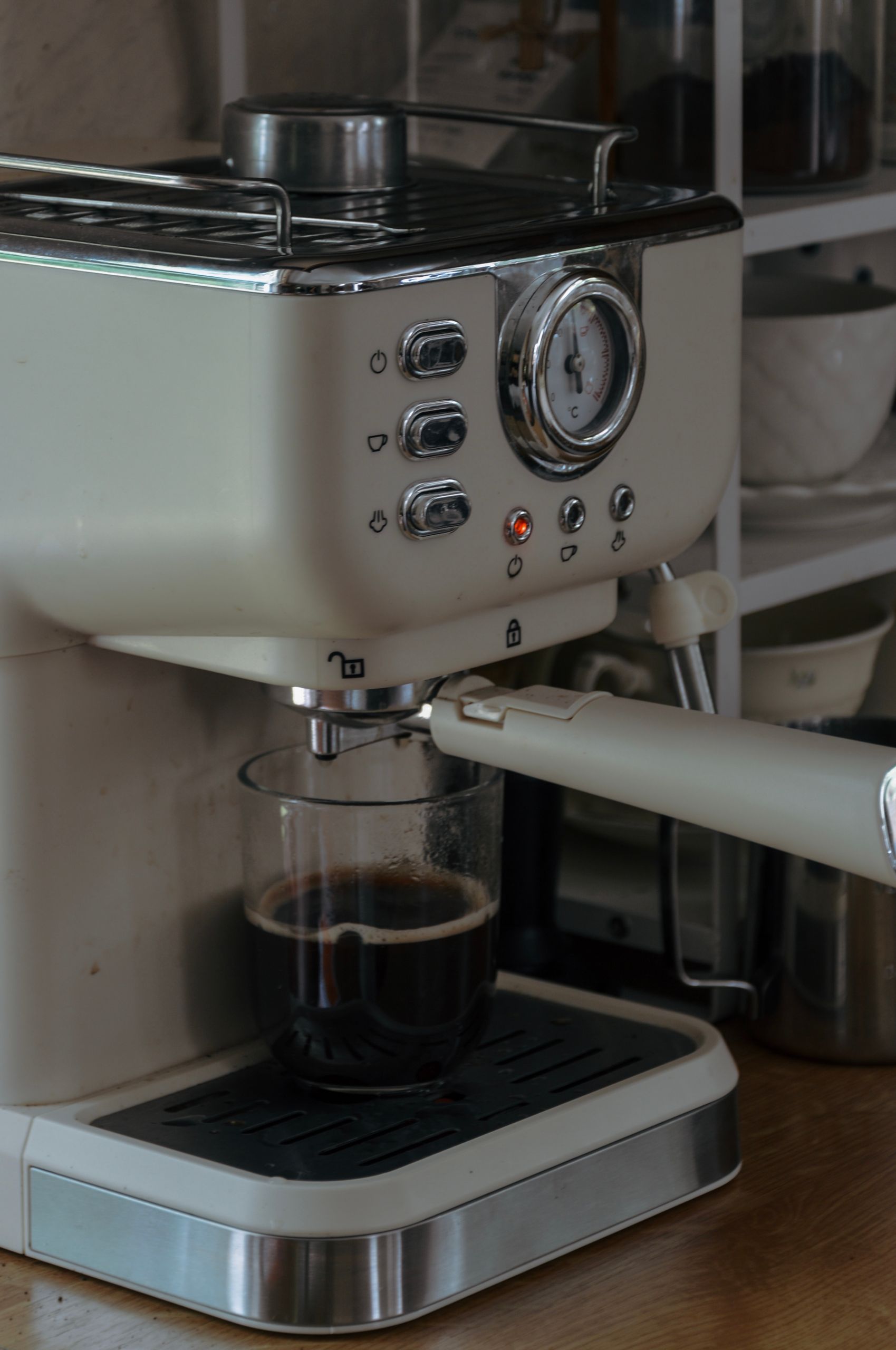
19. Create a small coffee or tea setup
Group your favorite tea bags, coffee supplies, sweetener, or stirring spoon in one accessible spot. You can use a basket, tray, or section of a cabinet.
This gives you the feeling of a tiny office beverage station without purchasing a tiny office beverage station.
20. Choose one subtle scent for the workday
A candle, wax warmer, diffuser, or even freshly opened window can change how a workspace feels. If scents give you headaches or you share the space with someone sensitive to them, skip this one entirely.
(And I think I have to say, if you burn a candle, keep it on a stable surface, away from papers and cords, and never leave it unattended.)
Small systems that make the workday feel calmer
21. Decide what "done" means before noon
Write down the one to three things that would make the day feel meaningfully complete. A workday feels far less luxurious when every possible task has equal urgency and the finish line keeps moving.
This is not a full productivity system. It is a way to keep your actual priorities visible underneath the messages, meetings, and small requests that arrive all day.
22. Batch your tiny personal tasks
Working from home can make every household task feel available at all times. Instead of getting up every twelve minutes to move laundry, unload two dishes, or look for a package, choose one short break to handle the small things.
You still get the convenience of being home without fragmenting the entire workday.
23. Give yourself a real afternoon reset
When your attention drops, do not automatically respond by staring harder at the screen. Refill your water, step outside, stretch, make tea, or clear your desk for five minutes.
I like the idea of treating this as an afternoon reset rather than proof that I have suddenly lost all discipline at 2:37 p.m.
24. Keep an "open loops" note
Use one page-paper or digital-to capture unfinished tasks, follow-ups, and thoughts that surface while you work. This prevents your brain from trying to remember every half-finished email while you are making dinner later. Better yet, if you have access to an AI at work, plug the list into there so it can remind you what to do in the morning.
Before logging off, add the next action beside each important item. "Finish presentation" is vague. "Draft the three recommendation slides" gives you an obvious place to restart.
25. Close the workday on purpose
Take five to ten minutes to record what you finished, identify tomorrow's first task, close unnecessary tabs, and physically reset the desk.
I use AI to help me organize what I completed and what still needs my attention. You can do the same by pasting in your rough task notes and using a prompt like this:
Turn these notes into a short end-of-day summary. Separate them into: completed today, still open, and the first three actions I should take tomorrow. Flag anything that appears blocked or needs a follow-up. Do not add tasks that are not in my notes.
The most luxurious part of working from home may be ending the day without mentally carrying every unfinished task into the evening.
You do not need a complete home-office makeover
The best work-from-home upgrades are usually the ones that address a specific annoyance: harsh lighting, an uncomfortable setup, no real lunch break, or the feeling that the workday never officially ends.
Choose two or three ideas from this list. Use what you already own first. If a small purchase would solve a problem you encounter every day, then it may be worth making-but you do not need to order 25 products to make your workday feel better.
For me, the point is to make an ordinary day at home feel more considered. Work is still work. There will still be crowded calendars, cold coffee, and afternoons when the school or daycare calls at the worst possible time. A softer lamp and a good mug will not fix all of that.
But small comforts count, especially when this is where you spend so much of your life.
Which idea are you trying first? Save or share this list with another person whose office is also approximately twelve steps from the kitchen.